The Future of Electric Vehicles and Sustainable Transportation Trends
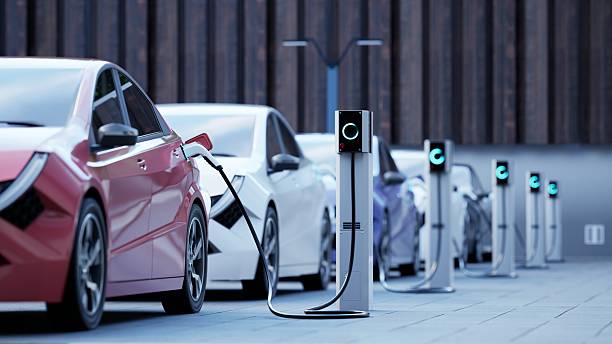
Electric vehicles have become a major part of the global transportation industry. Governments, manufacturers, and consumers are increasingly focusing on cleaner mobility solutions that reduce environmental impact and improve energy efficiency.
The rise of electric vehicles is closely linked to growing concerns about climate change and air pollution. Traditional fuel-powered vehicles contribute significantly to greenhouse gas emissions, making sustainable alternatives more important than ever.
Advancements in battery technology and charging infrastructure have made electric vehicles more practical for everyday use. Consumers now have access to vehicles with longer driving ranges and improved performance capabilities.
As sustainable transportation evolves, electric vehicles are expected to play a leading role in creating greener cities, cleaner air, and more efficient transportation networks around the world.
Advancements in Electric Vehicle Technology
Technology is driving rapid improvements in electric vehicle performance and reliability. Modern EVs offer better acceleration, longer battery life, and enhanced safety features that appeal to a wider audience.
Battery innovation remains one of the most important developments in the EV industry. Manufacturers are investing heavily in research to create batteries that charge faster and store more energy efficiently.
Artificial intelligence and smart software systems are also transforming electric vehicles. These technologies help optimize energy consumption, improve navigation, and provide real-time vehicle diagnostics for drivers.
Future electric vehicles may include advanced autonomous driving features that increase convenience and reduce accidents. These innovations will further strengthen the appeal of electric mobility solutions worldwide.
Expansion of Charging Infrastructure
A strong charging network is essential for the success of electric vehicles. Governments and private companies are investing in charging stations to support the growing number of EV users.
Fast-charging technology has significantly reduced charging times. Many modern charging stations can provide substantial battery power within minutes, making long-distance travel more practical for EV owners.
Public charging stations are becoming more common in shopping centers, office buildings, highways, and residential areas. This increased accessibility helps eliminate concerns about driving range limitations.
Wireless charging and smart charging systems may become more widespread in the future. These innovations could make charging more convenient while improving energy management across transportation networks.
The Role of Renewable Energy in Transportation
Renewable energy sources are becoming closely connected to sustainable transportation systems. Solar, wind, and hydroelectric power can provide clean electricity for charging electric vehicles.
Using renewable energy reduces dependence on fossil fuels and lowers overall carbon emissions. This combination creates a more environmentally friendly transportation ecosystem that benefits both society and the planet.
Many businesses and households are installing solar panels to support electric vehicle charging. This approach allows consumers to reduce energy costs while contributing to cleaner transportation practices.
Future smart grids may integrate renewable energy and electric vehicles more effectively. Such systems can balance electricity demand while supporting large-scale adoption of sustainable transportation solutions.
Smart Mobility and Sustainable Urban Transportation
Cities around the world are embracing smart mobility concepts to improve transportation efficiency. Electric vehicles are an important component of these modern urban mobility strategies.
Public transportation systems are increasingly adopting electric buses and trains. These vehicles help reduce emissions while providing reliable transportation for millions of commuters each day.
Shared mobility services, including electric car-sharing and ride-sharing platforms, are gaining popularity. These services reduce the number of vehicles on roads and encourage more efficient transportation habits.
Urban planners are also investing in cycling infrastructure, pedestrian-friendly spaces, and connected transportation systems. These developments contribute to healthier, cleaner, and more sustainable cities.
Environmental Benefits of Electric Vehicles
Electric vehicles offer significant environmental advantages compared to traditional gasoline-powered cars. Their operation produces zero tailpipe emissions, helping improve air quality in urban environments.
Reducing greenhouse gas emissions is one of the primary benefits of EV adoption. As more consumers switch to electric vehicles, transportation-related carbon emissions can decrease substantially.
Lower noise pollution is another advantage of electric transportation. Electric motors operate quietly, creating more pleasant urban environments and reducing overall traffic noise levels.
Although battery production has environmental impacts, ongoing improvements in recycling and manufacturing processes are helping make electric vehicles even more sustainable over time.
Challenges Facing the Electric Vehicle Industry
Despite significant progress, the electric vehicle industry still faces several challenges. High vehicle costs remain a barrier for some consumers considering the transition to electric transportation.
Battery production requires important raw materials such as lithium, nickel, and cobalt. Ensuring sustainable and ethical sourcing of these materials remains a key industry concern.
Charging infrastructure development must continue expanding to meet increasing demand. Rural and remote areas often require additional investment to ensure equal access to charging facilities.
Consumer education is also important for wider adoption. Many potential buyers still have concerns regarding battery lifespan, charging times, and long-term ownership costs.
Future Trends in Sustainable Transportation
The future of transportation is expected to be more connected, intelligent, and environmentally friendly. Electric vehicles will likely become the standard option for personal transportation in many markets.
Autonomous vehicle technology may transform mobility by improving road safety and reducing traffic congestion. Self-driving electric vehicles could become common in future transportation systems.
Hydrogen-powered transportation solutions may complement electric vehicles in certain sectors, particularly heavy-duty trucks, shipping, and industrial transportation applications.
Continued innovation, supportive government policies, and growing environmental awareness will accelerate the shift toward sustainable transportation. These trends will help create cleaner and more efficient mobility solutions for future generations.
Conclusion
Electric vehicles are reshaping the transportation industry and supporting global sustainability goals. Their growing popularity reflects increasing demand for cleaner, more efficient mobility solutions.
Advancements in battery technology, charging infrastructure, and renewable energy integration are making electric transportation more practical and accessible than ever before.
While challenges remain, continued innovation and investment are driving positive change throughout the transportation sector. Governments, businesses, and consumers all have important roles to play.
The future of electric vehicles and sustainable transportation looks promising. As technology continues to evolve, greener transportation systems will contribute to a healthier environment and a more sustainable world.

About Premium Author
This post has been authored and published by one of our premium contributors, who are experts in their fields. They bring high-quality, well-researched content that adds significant value to our platform.
Popular Categories
Stay Connected
Recent Posts