How Streaming Services Transform Global Entertainment
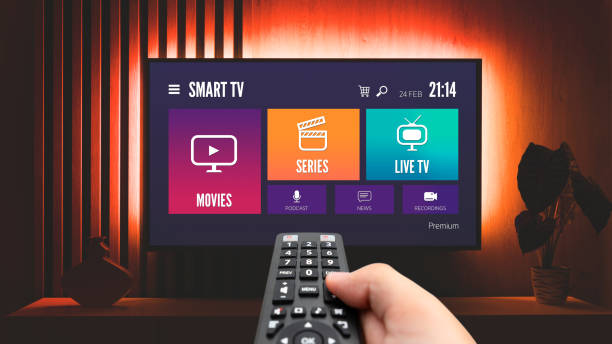
Streaming services have transformed how people consume entertainment across the globe. Instead of waiting for scheduled television broadcasts, viewers can now watch their favorite content whenever they choose. This convenience has significantly increased the popularity of streaming platforms.
The growth of high-speed internet and mobile technology has played a major role in this transformation. Millions of people can access movies, shows, and documentaries through smartphones, tablets, and smart televisions. This accessibility has expanded the reach of digital entertainment.
Streaming services have also reduced geographical barriers. Viewers can explore content from different countries and cultures without relying on traditional broadcasting networks. This has created a more connected and diverse entertainment environment.
As competition among platforms increases, companies continue investing in technology and user experience. Personalized recommendations, offline viewing options, and high-quality streaming have become standard features that attract and retain subscribers.
Changing Viewer Habits and Preferences
The introduction of streaming platforms has significantly altered audience viewing habits. People are no longer restricted by television schedules and can watch content according to their personal routines. This flexibility has changed how entertainment fits into daily life.
Binge-watching has become a common behavior among viewers. Entire seasons of television shows are often released at once, allowing audiences to consume multiple episodes in a single sitting. This viewing pattern has influenced content production strategies.
Streaming services provide personalized recommendations based on user preferences and viewing history. These suggestions help audiences discover new content while increasing engagement with the platform. Personalized experiences have become a key advantage.
Younger generations especially prefer on-demand entertainment over traditional television. They value convenience, content variety, and device compatibility. As a result, streaming platforms continue to attract large numbers of digital-first consumers worldwide.
Impact on Content Creation and Production
Streaming platforms have changed how entertainment content is created and produced. Companies invest heavily in original programming to attract subscribers and differentiate themselves from competitors. This has led to increased opportunities for creators and production teams.
Writers and producers now have greater creative freedom. Streaming services often support unique stories and experimental formats that may not fit traditional television standards. This flexibility encourages innovation and artistic expression.
The demand for original content has increased production activity across various regions. Local filmmakers and creators can reach international audiences through streaming platforms. This exposure has opened new career opportunities in the entertainment sector.
Streaming companies rely on audience data to understand viewing preferences. These insights help guide content development decisions and improve the chances of producing successful programs. Data-driven production has become a major industry trend.
Expanding Global Access to Entertainment
One of the biggest advantages of streaming services is their ability to provide entertainment to audiences worldwide. People can access thousands of movies and television shows regardless of their location, creating a more inclusive entertainment landscape.
Subtitles and dubbing options make international content easier to understand. Viewers can enjoy foreign-language productions without language barriers. This has contributed to the growing popularity of international films and television series.
Streaming platforms have introduced audiences to diverse cultures and storytelling traditions. Content from different regions can achieve worldwide success, encouraging cultural exchange and appreciation among viewers from various backgrounds.
Smaller markets that previously had limited entertainment options now have access to extensive content libraries. This increased availability allows viewers to explore a wider range of genres, topics, and perspectives than ever before.
Effects on Traditional Media and Broadcasting
The rapid growth of streaming services has created significant challenges for traditional television networks. Many viewers have shifted away from cable and satellite subscriptions in favor of more flexible streaming options.
Advertising strategies have also evolved as audiences spend more time on digital platforms. Traditional broadcasters face increased pressure to adapt their business models and develop online streaming services to remain competitive.
Many television networks have launched their own streaming platforms to attract modern audiences. This transition demonstrates how traditional media companies are responding to changing consumer expectations and technological advancements.
Despite these challenges, traditional broadcasting still maintains an important role in live events, sports coverage, and news programming. However, streaming services continue influencing how broadcasters deliver content and engage audiences.
Economic and Business Transformations
Streaming services have introduced new revenue models within the entertainment industry. Subscription-based services generate recurring income while providing users with unlimited access to content libraries. This model has proven highly successful.
The competition among streaming companies has increased investment in content production and technology development. Billions of dollars are spent annually on original programming, licensing agreements, and platform improvements.
Entertainment businesses now rely heavily on digital distribution channels. Streaming reduces the need for physical media while expanding global market opportunities. This shift has created more efficient methods of content delivery.
The rise of streaming has also generated employment opportunities across technology, production, marketing, and customer support sectors. As the industry grows, it continues contributing to economic activity in multiple regions worldwide.
The Future of Streaming and Global Entertainment
The future of entertainment is closely connected to the continued growth of streaming services. Technological advancements such as artificial intelligence, virtual reality, and enhanced recommendation systems are expected to improve user experiences.
Streaming platforms will likely continue investing in original and localized content. Producing region-specific programming helps attract diverse audiences while strengthening global market presence. This strategy is becoming increasingly important.
Competition among platforms may lead to new subscription models and bundled services. Companies will continue searching for innovative ways to provide value while maintaining profitability in a crowded marketplace.
As consumer preferences evolve, streaming services will remain a driving force in entertainment innovation. Their influence on content creation, distribution, and audience engagement ensures they will continue shaping the global entertainment industry for years to come.
Conclusion
Streaming services have revolutionized the entertainment industry by transforming how content is created, distributed, and consumed. They offer greater accessibility, convenience, and content diversity for audiences worldwide.
Their impact extends beyond viewing habits to influence production strategies, business models, and global cultural exchange. As technology advances and competition grows, streaming platforms will continue playing a central role in the future of entertainment.

About Premium Author
This post has been authored and published by one of our premium contributors, who are experts in their fields. They bring high-quality, well-researched content that adds significant value to our platform.
Popular Categories
Stay Connected
Recent Posts